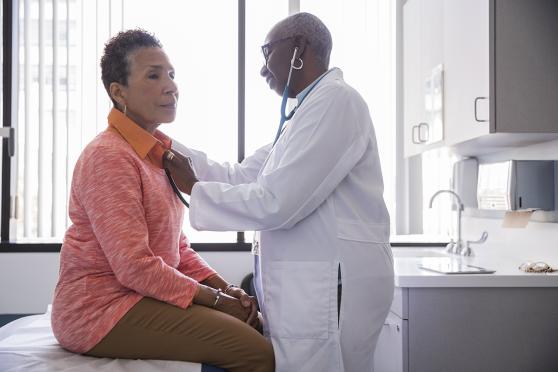
6 myths and facts about in-home health assessments
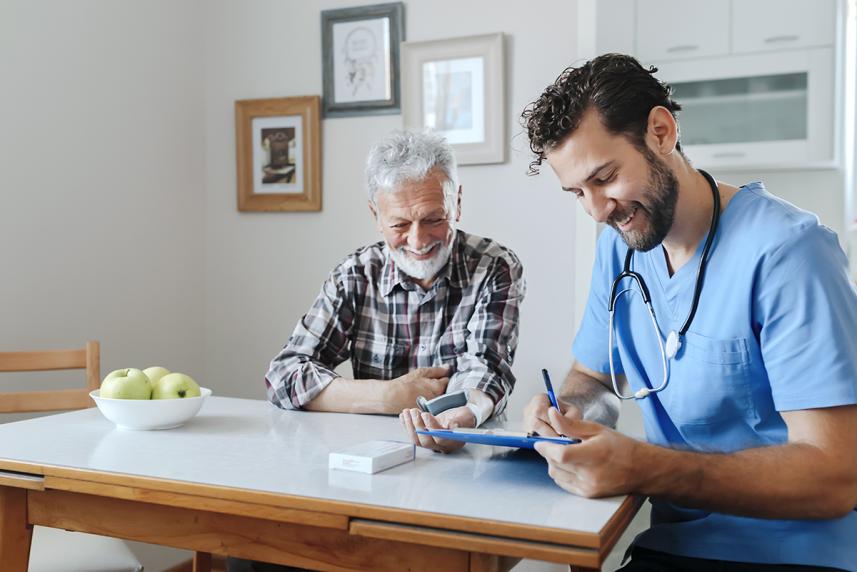
Getting a regular health assessment at home can be a great way to stay on top of your health. Learn the facts (and fiction) about these important visits.
The information in this article is for educational purposes only and is not intended to replace medical advice from your doctor.
Doctor house calls used to be a common practice. Now, a variation of this hands-on approach to health care is back — for good reason. Research shows that yearly in-home health and wellness assessments, in addition to regular checkups with a doctor, can help you stay healthier.
These assessments are super convenient too. They take place in the comfort of your own home. No need to worry about waiting in traffic or finding transportation — or even taking time off from your daily to-do’s. Instead, sit back and let a licensed clinician come to you.
The best part: You can get this personalized care at no cost to you. This makes it easier to stay on top of your health — and may even help identify possible health issues before they become something more serious. That’s why you don’t need to be sick or homebound to sign up for one of these visits. If you’re healthy and independent, you can benefit too.
Feeling skeptical? In-home health and wellness assessments are pretty straightforward. “The purpose of home health [visits is] for us to really educate the patient or their caregiver, so that they can take care of themselves and have a better quality of life,” says Julie Miloro, R.N., a home health administrator in Baltimore.
Have questions about your health? An in-home Health and Well-being Assessment is a great time to get answers from a licensed clinician — plus, it’s part of your plan. Call Matrix Medical Network at 855-204-1752 (TTY: 711) to schedule. (Weekdays: 8 a.m. to 11 p.m. ET; Saturday: 9 a.m. to 5 p.m. ET)
Top myths about in-home health assessments
There are lots of myths about in-home health assessments. Knowing exactly what these visits are — and how they can better your health — can help you make the best decision for you.
Myth 1: In-home health assessments aren’t as good as in-office care
Fact: In-home health assessments aren’t meant to replace the care you get from your primary care provider (PCP) or specialist. Rather, they support those visits. Most in-home health assessments are led by nurse practitioners, though you may also see a doctor or a physician’s assistant. They’re all highly trained professionals with experience in primary care. And whatever their title, all in-home clinicians are licensed, and qualified to be part of your health care team.
They will “check all the medications you take, including vitamins and herbal supplements,” explains Teresa Lovins, M.D., a family practitioner and a member of the board of directors of the American Academy of Family Physicians.
The clinicians will also take a thorough health assessment, including getting updates on chronic conditions as well as discussing any concerns you may have. They can also talk to you about the nutrition you need to stay healthy.
Another part of the assessment: your mental well-being and cognitive health. If you’ve been forgetful or just not feeling as sharp as you used to be — or if you’ve been experiencing mood swings or depression — this visit may help. In-home health clinicians can give you private, one-on-one time to discuss these concerns and help connect you with additional support resources.
All these things can happen at an in-home assessment because these clinicians are able to take the time needed to do a thorough assessment. At a typical doctor’s office, a patient gets about 18 minutes per visit. But at-home health visits can last up to an hour. And when the visit is over, the clinician will share a full report with your PCP so you can discuss the results together. All that extra attention can mean better health care for you.
Myth 2: Testing isn’t possible in a home setting
Fact: Regular health screenings are important. And many of these health screening tests can be done right in the comfort of your own home. These tests can catch little problems, such as blood sugar issues and high blood pressure, before they turn into bigger problems like chronic disease.
Your provider can check your blood pressure and may even draw blood through a finger prick. If you have problems urinating, they may have you collect a urine sample to send to a lab to check for a urinary tract infection or kidney disease. You may also be able to get screenings for colorectal cancer, diabetes, and more. No need to worry about follow-up either. Both you and your primary care provider will receive the lab results.
Myth 3: You need to clean your house before an in-home visit
Fact: You don’t have to spruce up your home for your clinician’s arrival. As long as the environment is safe and there’s room to move around — and there’s a comfortable place for you to talk about your health — that’s all that matters.
Myth 4: The clinician will judge you
Fact: Rest assured, your home is a judgment-free zone. Clinicians are there to help, not to criticize.
“No one’s judging you. We’re there to take care of the patient, whatever their needs are,” says Miloro. “You don’t have to worry about getting dressed or fixing your hair or putting on makeup. Just wear whatever is comfortable for you.”

A Health and Well-being Assessment supports your regular care — at no additional cost
Click below to get started.
Myth 5: Home health assessments are expensive
Fact: Your Humana health plan includes a yearly Health and Well-being Assessment, at no additional cost to you. To schedule your visit, call Matrix Medical Network at 855-204-1752 (TTY: 711) weekdays from 8 a.m. to 11 p.m. ET, Saturday from 9 a.m. to 5 p.m. ET.
Myth 6: It’s not safe to let a provider in your home
Fact: All clinicians have background checks and screenings done before they enter your home, says Miloro. “They’re properly vetted, prior to hire,” she explains.
In-home clinicians are also required to carry identification or badges — and show them to you before entering your home. Some may even wear scrubs. You’ll also get a confirmation call the day before identifying who will be coming to your home and the time they’ll be there.
Keep in mind, too, that you don’t have to be alone when seeing your in-home health provider. You can have a friend or family member right there with you. The idea behind these assessments is to make you feel as comfortable as possible so you can get the care you need to keep your health on track.
Sources:
The outcomes of nurse practitioner-provided home visits: Geriatric Nursing
In-home visits: The doctor will see you now, in your home: Harvard Health
Comprehensive health assessment: Matrix Medical Network
Cited sources were last reviewed on 5/2/2025.
Y0040_GHHMGTEEN_C