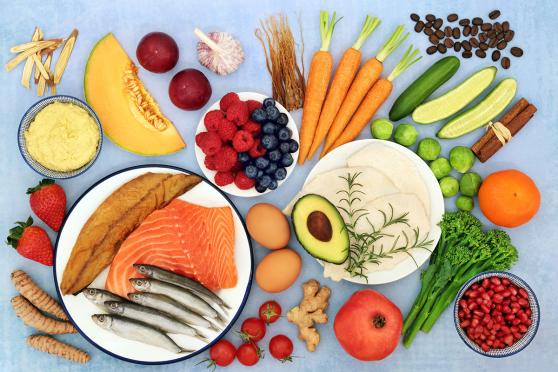
14 foods that spike blood sugar (and what to eat instead)
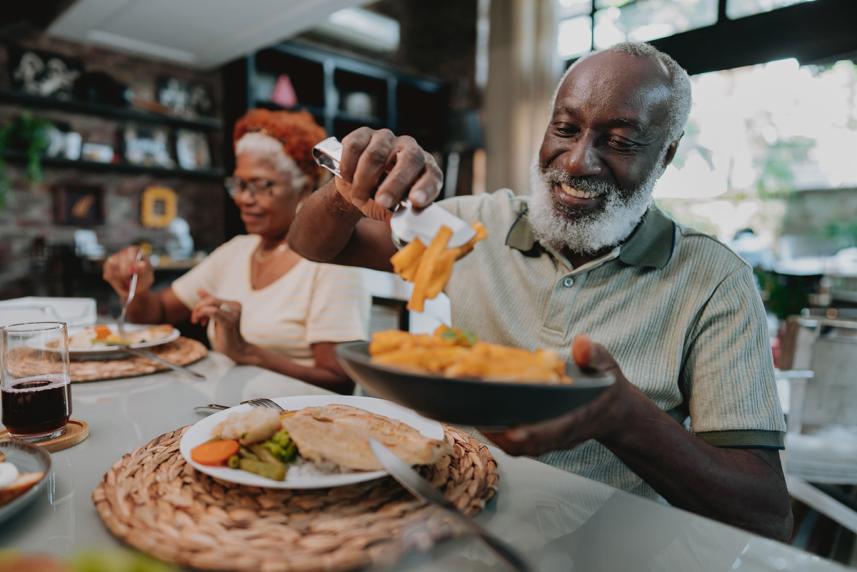
Steady blood sugar levels keep your energy up and can prevent serious health problems. Here’s what to put in your cart — and what to leave on the grocery store shelf.
The information in this article is for educational purposes only and is not intended to replace medical advice from your doctor.
Whether you have diabetes or are just trying to make healthier food choices, you likely know that sugary fare can spike your blood sugar. High blood sugar can make you feel tired or weak. When left unchecked, it can also lead to nerve damage, eye disease, and kidney damage.
But when it comes to maintaining healthy blood sugar levels, it’s not just desserts and sweetened drinks that are the villains of your good-health story.
“Clients are often surprised to hear that it’s not just about staying away from sugary foods,” says Vandana Sheth, RDN, FAND, a registered dietitian and certified diabetes care and education specialist in Los Angeles. “Starchy foods like potatoes, corn, and white bread can also raise blood sugar.”
Knowing which foods have a positive or negative impact on blood sugar levels makes it easier to keep your levels in a healthy zone. Keep reading for Sheth’s quick guide to understanding carbs.
Which foods spike blood sugar?
Carbohydrate-rich foods tend to cause spikes in blood sugar levels. This is because the body breaks them down into glucose, which is a type of sugar, after you eat them.
“Foods that are high in refined carbohydrates, such as white flour, or sugar lead to the largest increases”, Sheth explains. Foods high in refined carbohydrates, also known as processed carbs, include:
- White bread
- White pasta
- Bagels
- White flour tortillas
- White rice
- Snack bars
- Sugary cereal
- Potato chips
- Pretzels
- Cookies
- Candy
- Cake
- Soda and other sweetened drinks, such as sweet tea
- Fruit juice
A Health and Well-being Assessment is a good time to discuss healthy eating habits with a licensed clinician — plus, it’s part of your Humana plan. Call Matrix Medical Network at 855-204-1752 (TTY: 711) or schedule online. (Weekdays: 8 a.m. to 11 p.m. ET; Saturday: 9 a.m. to 5 p.m. ET)
Which foods have a moderate effect on blood sugar?
Starchy carbohydrates found in whole grain products and produce can raise blood sugar too, says Sheth. The difference: They come packaged with fiber. That helps them digest more slowly and raise your blood sugar at a steadier rate, she adds. They’re good to keep in your meal rotation. Options include:
- Whole wheat bread
- Whole wheat pasta
- Brown rice
- Oatmeal
- Corn
- Green peas
- Sweet potatoes
- Apples
- Bananas
- Plantains
- Beans and legumes, such as black beans, kidney beans, chickpeas, and lentils
Surprising foods that can spike blood sugar
Sheth says that some of her patients with diabetes are also surprised to learn that certain salad dressings can have an impact on blood sugar levels. Some people also find that their blood sugar is sensitive to coffee or other sources of caffeine. Pay attention to what seems to affect you.

A Health and Well-being Assessment supports your regular care — at no additional cost
Click below to get started.
Mealtime tips for balanced blood sugar
You can still enjoy carbs without spiking your blood sugar. Just pay attention to the types of carbs you’re having — and what you have with them. Use these tips from Sheth as your starting guide.
- Balance your plate. Here’s an easy ratio to keep your carb intake in check: Fill half of your plate with non-starchy vegetables. Fill another quarter with lean protein, and the rest of the space should be reserved for carbs, Sheth suggests.
- Choose high-fiber carbs. Sheth says to mainly eat options such as whole grains, beans, lentils, fruit, sweet potatoes, corn, or peas.
- Pair carbs with other nutrients. Eat them alongside lean protein and healthy fats to blunt blood sugar spikes. Cook oatmeal with low-fat milk instead of water. Or top a smaller bowl of pasta with grilled chicken or fish.
- Eat sweets after a meal. There’s a reason that dessert is the last course. Eating a small treat after you’ve had more nutritious fare helps reduce the impact it has on your blood sugar. Make sure to factor it into your total carb intake for the day too.
- Take a walk after eating. Even a five-minute stroll can promote steadier blood sugar levels.
See our sources:
High blood sugar: Cleveland Clinic
Foods that spike blood sugar: Centers for Disease Control
Eating carbs with diabetes: American Diabetes Association
Dessert and blood sugar: Centers for Disease Control
Benefits of walking after eating: Cleveland Clinic
Cited sources were last reviewed on 10/9/25
Y0040_GHHMS5AEN_C