9 best foods to fight inflammation
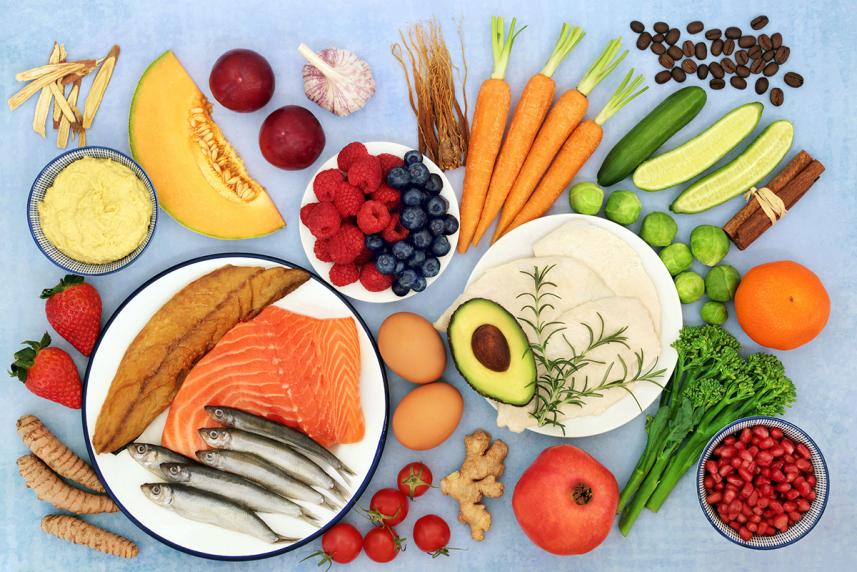
What you eat really can help cut your risk of many common conditions — and keep you healthier, longer. These are the power foods to add to your plate.
The information in this article is for educational purposes only and is not intended to replace medical advice from your doctor.
Yes, this is a story about foods that promote health. But to understand why, let’s back up for a minute. There’s one factor that underlies many health conditions, from arthritis to heart disease to diabetes. It’s chronic inflammation.
Typically, the body’s immune system kicks into gear when fighting off a threat, such as an infection. But with chronic inflammation, the immune system is always on alert, whether you’re sick or not, accordng to information from Johns Hopkins Medicine (JHM). This constant heightened state triggers many negative effects in the body.
While you can’t control every factor that leads to inflammation, you can manage your diet. And evidence is growing that what you eat can play a role in reducing inflammation, notes JHM. Here, we examine what to take off your plate — and, even better, the foods that may boost your health.
What are “inflammatory” foods?
Certain foods (or cooking methods) change the bacteria that naturally live in our gut, explains the University of Chicago Medicine (UCM). They’re known as “inflammatory” foods.
Processed foods top the list, according to both UCM and Johns Hopkins Medicine. They can spike blood sugar and may lead to an overgrowth of bacteria in your gut. That can set inflammation in motion.
It’s best to limit your intake of processed and ultra-processed foods, says Elise Cushman, RD, CSO, an oncology dietitian at Dartmouth Cancer Center in Lebanon, New Hampshire, and owner of Nutrition on a Budget. These include:
- Processed deli meats
- Packaged sweets
- Soda and other sugary drinks
- Fried foods
- Refined grains such as white bread, flour, and white rice
One way to tell that something is overly processed? A label with a long list of hard-to-pronounce ingredients, says Cushman. These, as well as red meat, are associated with a higher risk of inflammatory disease.
Have questions about your health? A Health and Well-being Assessment is a great time to get answers from a licensed clinician — plus, it’s part of your plan. Call Matrix Medical Network at 855-204-1752 855-204-1752 (TTY: 711) or schedule online. (Weekdays: 8 a.m. to 11 p.m. ET; Saturday: 9 a.m. to 5 p.m. ET.)
Foods that lower inflammation
Now for the positive spin: Just as there are inflammatory foods, there are also anti-inflammatory foods. You can help your health by eliminating or cutting down on inflammatory foods and adding more anti-inflammatory ones to your everyday eating.
Studies show that people who follow some of the world’s healthiest eating patterns tend to have lower rates of inflammatory diseases, according to a report in the journal Biomedicines. The Mediterranean diet is a prime example. So are the diet staples of people in “blue zones,” or places around the globe where people tend to live very long lives.
Other diets are specifically designed to lower the risk of chronic diseases, notes the American Heart Association (AHA). These include the DASH diet and portfolio diet. They are also associated with lower levels of inflammation, per the AHA.
One major reason that these eating patterns all fight inflammation: They emphasize a lot of plant foods. “What an anti-inflammatory diet mostly comes down to is adding more fruits and vegetables,” says Cushman.
She encourages her clients to add anti-inflammatory foods into their cooking and eating in ways that are “realistic and doable and won’t break the bank.” These nine foods have proven anti-inflammatory benefits. Try putting a few on your plate today.
1. Green leafy vegetables
Spinach, collard greens, and kale are nutritional powerhouses, says Cushman. They’re loaded with vitamins and minerals, as well as cancer-fighting antioxidants such as lutein, selenium, and beta-carotene. Leafy greens also can reduce the risk of inflammatory diseases, according to a study in the American Journal of Lifestyle Medicine.
How much do you need? The AHA says to try to get at least one serving each day. That’s 2 cups raw, or 1 cup cooked.
2. Berries
Berries are a particularly potent (and delicious) weapon against inflammation, says Cushman. They’re linked to lower risks of heart disease, diabetes, cancer, and Alzheimer’s disease. Strawberries and blueberries are top sources of vitamin C, fiber, and antioxidant phytonutrients.
How much do you need? Eating a cup of fresh or frozen berries two to three times per week may be protective, according to research from the Jean Mayer USDA Human Nutrition Research Center on Aging at Tufts University.
3. Fatty fish
Salmon, mackerel, tuna, sardines, and herring are examples of fatty fish. They contain the omega-3 fatty acids EPA and DHA, which can decrease levels of inflammatory proteins in the body. Dining on fish may also reduce your risk of heart disease and stroke.
How much do you need? The AHA recommends eating two servings of fish — particularly fatty fish — per week. One serving is 4 ounces, or 3 ounces cooked.
4. Green or black tea
Time to pick up a cup! Black tea and green tea are both great sources of anti-inflammatory polyphenols, which are antioxidants found in plant foods. One particularly powerful one is called epigallocatechin 3-gallate (EGCG). It may play a role in helping to prevent some cancers.
How much do you need? Sipping two cups a day may be beneficial to your health.
5. Apples and pears
An apple (or pear) a day might actually keep the doctor away. They have lots of inflammation-fighting vitamin C, polyphenols, and fiber. Consuming these fruits regularly is also associated with lower risks of heart disease and diabetes, according to recent research.
How much do you need? “One a day” is a good rule of thumb. Keep in mind that you can slice and dice these fruits into salads, oatmeal, and yogurt. For variety, you can snack on unsweetened dried apples and pears too.
6. Cherries
Cherries have high levels of phenolic compounds. These can decrease inflammation and may also help improve cholesterol and lower blood pressure, reports the Cleveland Clinic.
How much do you need? Many studies on cherry benefits used large amounts — like 45 to 270 cherries per day, according to the journal Nutrients. But experts say that a more reasonable amount will do just fine. Go for a cup a day of fresh or frozen cherries, or a small glass of tart cherry juice.

A Health and Well-being Assessment supports your regular care — at no additional cost
Click below to get started.
7. Mushrooms
Some types of mushrooms are being touted as the next big thing in mental health, notes the Mayo Clinic. But mushrooms, particularly Asian varieties such as shiitake, have long been used in traditional medicine, for many physical purposes.
Science shows that mushrooms improve inflammation markers in the body and may help reduce cancer risk. How? Housed within these little brown veggies are polyphenols and polysaccharides. Polysaccharides are a type of carb that protects cells from inflammatory assaults, according to information from Harvard T.H. Chan School of Public Health.
How much do you need? Americans aren’t big mushroom eaters, so adding just a little to your everyday cooking and eating can make an impact, says Cushman. Research in Advances in Nutrition suggests that just 18 grams per day — a little more than half an ounce — was associated with a 45% lower overall cancer risk.
8. Nuts and seeds
Populations where people eat nuts regularly tend to have lower rates of inflammation-related diseases, such as heart disease, diabetes, and some cancers.
You’ve got lots of choices. Walnuts, almonds, pistachios, flaxseeds, chia seeds, and hemp seeds all work. They contain antioxidant compounds — such as vitamin E, selenium, and polyphenols — as well as omega-3 fatty acids and fiber.
How much do you need? Aim for a 1-ounce serving per day. That’s about a small handful of nuts or 2 tablespoons of seeds.
9. Fermented foods
Salty, tangy, and sometimes a little sour, fermented foods have a lot going for them. They’re primarily known for supplying the gut with probiotics, or “good” bacteria, says Cushman. This helps with digestion and supports your immune system. But their anti-inflammatory effects also may play a role in combating conditions such as heart disease, diabetes, and arthritis, reports the Stanford School of Medicine.
There are classics such as yogurt and cottage cheese. For the slightly more adventurous palate, there’s kefir, kimchi, and kombucha, says Cushman. Sauerkraut counts, too!
How much do you need? In one recent study in Cell, subjects who averaged six daily servings of fermented foods had substantial drops in their levels of some inflammatory compounds after 10 weeks. But a more realistic goal is at least a serving or two daily. “A half-cup serving of Greek yogurt is just four bites,” says Cushman
See our sources:
Foods that cause and reduce inflammation: University of Chicago Medicine
Anti-inflammatory diets: Johns Hopkins Medicine
Study of anti-inflammatory properties of diet and the role in healthy aging: Biomedicines
DASH Diet: American Heart Association
Portfolio Diet: American Heart Association
Suggested servings from each food group: American Heart Association
Green leafy vegetables: European Academic Research; Memorial Sloan Kettering; and American Journal of Lifestyle Medicine
Berries: Harvard Health Medical School; American Journal of Clinical Nutrition; and Tufts
Apples and pears: Current Developments in Nutrition
Fatty fish: American Heart Association; Atherosclerosis; and Tufts
Green and black tea: Frontiers in Sustainable Food Systems and Advances in Nutrition
Cherries: Nutrients; Cleveland Clinic; and Consumer Reports
Mushrooms: Mayo Clinic Health System; Molecules; Harvard T.H. Chan School of Public Health ; Advances in Nutrition
Nuts and seeds: Advances in Nutrition; Nutrients; and Harvard Medical School
Fermented foods: Cell; Stanford School of Medicine
Cited sources were last reviewed on 7/1/2025
Y0040_GHHMKB6EN_C