6 common myths and facts about frozen foods
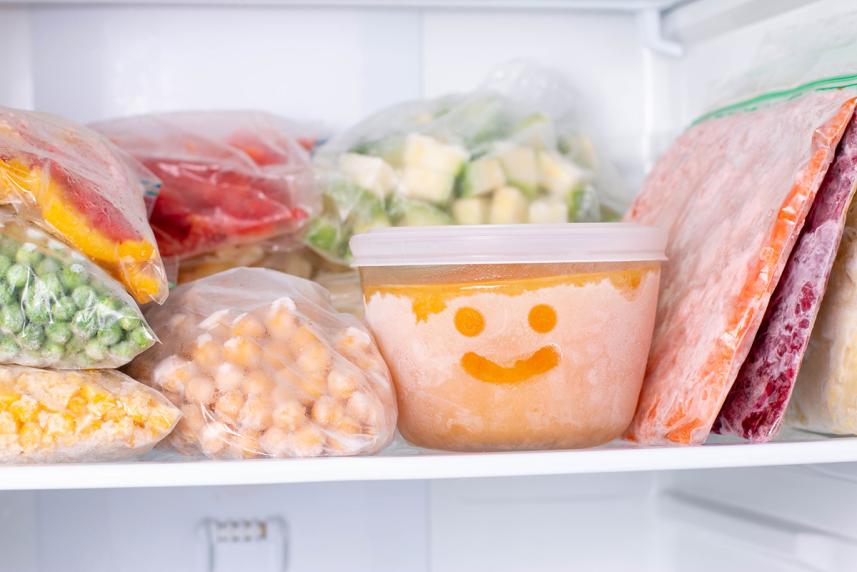
If you think frozen foods lack nutrients and don’t taste very good, you’re in for a surprise. Here’s what to know — and why you should stock up now.
The information in this article is for educational purposes only and is not intended to replace medical advice from your doctor.
You’ve heard it too many times to count: Fresh food is best. Right? According to registered dietitians, maybe not. Frozen food often has the edge — in terms of price, convenience, and even nutrition.
“When you pick up a bag of frozen broccoli or blueberries, you get produce that was picked at the peak of ripeness,” says Grace Derocha, RD, CDCES, the national spokesperson for the Academy of Nutrition and Dietetics. “It’s frozen at the perfect moment to be the most nutrient-dense version of that food.”
“Frozen foods have great nutrition,” says Michelle Dudash, RDN, the author of The Low-Carb Mediterranean Cookbook. In fact, some frozen foods have more vitamins and minerals than their fresh counterparts. As fresh foods sit on the shelf, they start to lose nutrients. Freezing locks them in.
Here, we look at more common myths about the frozen food aisle — plus share expert tips to help you shop smarter.
A Health and Well-being Assessment is a good time to discuss healthy eating habits with a licensed clinician — plus it’s part of your Humana plan. Call Matrix Medical Network at 855-204-1752 (TTY: 711) or schedule online. (Weekdays: 8 a.m. to 11 p.m. ET; Saturday: 9 a.m. to 5 p.m. ET)
6 common myths about frozen foods
Knowing the facts about frozen feeds means you can enjoy them healthily.
Myth: Frozen food doesn’t taste good.
Fact: You can find great flavor in the freezer.
“Certain foods can lose texture and flavor when frozen,” says Derocha. For example, cheese doesn’t freeze well. But many frozen foods taste delicious.
Try frozen entrées made with beans, such as veggie burgers or chili. “Beans are a great choice for protein and fiber, and they taste great after being frozen,” Derocha says. Dudash recommends that older adults get 25 grams of protein per meal. And beans can help you hit that number.
Myth: Frozen foods are ultra-processed.
Fact: Many frozen foods are minimally processed.
The best choices in the freezer section have only one or two ingredients. Look for frozen fruits and vegetables that contain just the fruit or vegetable itself. Those in a light sauce, such as broccoli in cheese sauce, can also be fine.
Be sure to read the ingredient list on the back to check for sodium, added sugar, and saturated fat, notes Derocha. “Some frozen strawberries are loaded with added sugar, and others are just strawberries. You have to check and read the nutrition label,” she says.
Myth: Prepared foods are expensive.
Fact: Frozen foods are great for a budget.
Frozen foods can help your budget in a few ways. For one thing, they can take the place of more expensive options. Frozen entrées usually cost more than homemade ones, but they’re less expensive than takeout, explains Dudash. “And when it comes to vegetables, usually frozen costs less,” she adds.
There is also a less obvious way frozen food can save you money. “It cuts down on food waste. Frozen foods are ready when you are,” says Derocha. “They don’t spoil in the fridge.”
Myth: A whole frozen pizza is a serving.
Fact: Serving sizes aren’t what you think.
It’s not hard to eat a 12-inch frozen pizza by yourself. Restaurant menus often call this size a “personal” pizza. But, says Derocha, “if you look at the nutrition label, you’ll see the total number of servings is often three or four.”
Few people would be satisfied with the suggested serving size. But if you do eat that whole frozen pizza, you may get as much as 3,200 milligrams of sodium. That’s more than double what the American Heart Association says adults should eat in a day.
Myth: A frozen entrée is a meal.
Fact: You should add some vegetables.
There’s an easy fix for the problem of small serving sizes in frozen meals: Add your favorite frozen vegetables as a side dish. “A small serving of a sodium-rich frozen pizza or pot pie can work if you fill out the meal with frozen mixed vegetables to add nutrition and volume to help satisfy you,” Derocha says.
Another option is to add a simple salad, suggests Dudash. This will help turn a small portion of high-sodium or high-fat frozen food into a more balanced meal.
Myth: Some frozen foods are off-limits.
Fact: Eat what you enjoy in moderation.
Tater tots. Egg rolls. Pizza bites. Dumplings. There are a lot of fun foods in the freezer section. Anyone with high blood pressure, heart disease, or other health concerns should always check the label, stresses Derocha. Look for how much fat and sodium a food contains before buying it.
For most people, though, nothing should be completely off-limits, believes Derocha. “You can take any of these foods and make them work with your diet by keeping portions in check and adding other nutrient-dense foods, like vegetables or lean proteins, to round out the meal,” she says.

A Health and Well-being Assessment supports your regular care — at no additional cost
Click below to get started.
How to make the most of frozen foods
Before you hit the freezer aisle at your grocery store, read these tips. They are approved by registered dietitians to help you score the best freezer finds.
Stock up on fruits and vegetables
The absolute top picks in the freezer section are simple fruits and vegetables. They can be made into smoothies, soups, and side dishes when you need some extra produce.
Look for freezer burn
Frozen food lasts a long time — but not forever. Look at best-by dates and choose the ones furthest in the future. When you go to cook with frozen foods, scan for freezer burn, which can affect the final taste. Pass on anything showing white icy patches.
Check for sugar, salt, and sauces
Always flip a package over and read the ingredients list. This is where you’ll find anything hidden. For example, you might discover a sauce on what you thought were plain veggies. Find out 7 easy ways to cut back on salt.
Keep a freezer inventory
Foods get lost in the freezer. Keep a list of what you have and read it before making your shopping list. You’ll avoid overbuying and losing things to freezer burn. Most frozen foods retain their quality for three months to a year in the freezer, Derocha says. (Question about a specific food? Check the Cold Food Storage Chart from FoodSafety.gov.)
Think outside the box
Classic frozen vegetables are great. But there are other overlooked gems. Pick up high-protein edamame, mixed leafy greens, and brown rice. These shortcuts can make healthy home cooking more convenient.
The bottom line: Frozen foods can be an easy way to add more nutrients to your plate. Stocking your freezer with some key eats can help improve your diet — and save you a little cash.
See our sources:
Frozen foods: Academy of Nutrition and Dietetics
Daily intake of sodium recommendations: American Heart Association
Cited sources were last reviewed 10/9/25
Y0040_GHHMS5BEN_C