Stronger bones at any age: What to eat, take, and do
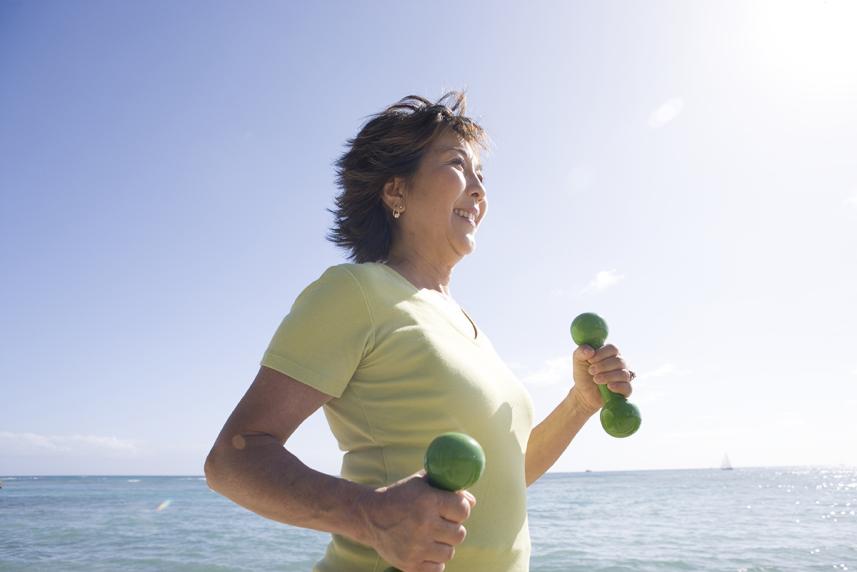
Diet, exercise, and some lifestyle changes can go a long way toward maintaining healthy bones.
The information in this article is for educational purposes only and is not intended to replace medical advice from your doctor.
Osteoporosis is a disease that weakens bones and makes them more likely to break. Keeping your bones healthy is super important as you get older. If you trip or slip while walking your dog, playing pickleball, or taking the stairs, you could break a bone. And falls are especially common among older adults. In fact, 1 in 4 people age 65 and older fall each year, according to the National Institute on Aging.
If you fall, you’ll want to make sure your bones are strong enough to withstand it. The good news is that maintaining healthy, flexible bones is easier than you think.
Here are some tips for boosting your bone strength no matter your age.
What to eat
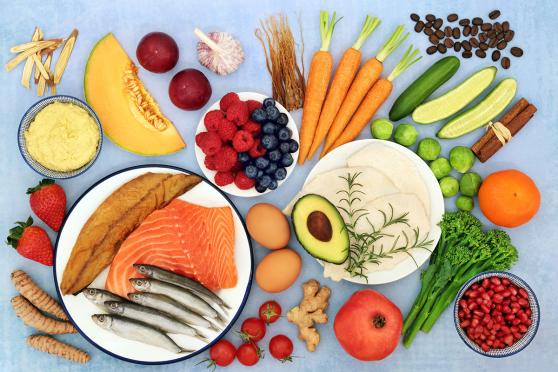
The foods you eat contain important vitamins and minerals that are crucial to keeping your bones strong. Here are the types of foods to reach for:
Calcium-rich foods. Low calcium intake is associated with osteoporosis, low bone mass, and high fracture rates. That’s according to the National Institute of Arthritis and Musculoskeletal and Skin Diseases. Men ages 51 and older need 1,000 to 1,200 milligrams of calcium per day. Women ages 51 and older need 1,200 milligrams of calcium per day.
Foods highest in calcium include:
- Canned sardines
- Certain vegetables, such as kale, broccoli, and bok choy
- Cheese
- Fortified foods like orange juice
- Milk
- Salmon with bones
- Yogurt
An in-home Health and Well-Being Assessment is a good time to discuss healthy habits with a licensed clinician — plus, it’s part of your plan. Call Matrix Medical Network at 855-204-1752855-204-1752 (TTY: 711) or schedule online. (Weekdays: 8 a.m. to 11 p.m. ET; Saturdays: 9 a.m. to 5 p.m. ET)
Foods that contain vitamin D. The body needs vitamin D to absorb calcium. Not getting enough vitamin D is associated with osteoporosis, low bone mass, and high fracture rates. People ages 51 to 70 need 600 IU of vitamin D per day, while those 70 and older need 800 IU per day. IU stands for international unit, which is used to measure the effect that vitamins have on your body.
Foods high in vitamin D include:
- Beef liver
- Cheese
- Egg yolks
- Fatty fish, such as salmon, tuna, and mackerel
- Fortified orange juice
- Milk
- Ready-to-eat cereals
- Yogurt
What to take
If you don’t think you’re getting enough bone-strengthening vitamins through your diet, supplements are an option. Here are two to consider:
Calcium supplements. According to the National Institutes of Health (NIH), the two main forms of calcium supplements are:
- Calcium carbonate. This is best absorbed when taken with food.
- Calcium citrate. This can be taken with food or on an empty stomach. The stomach acid produced while eating can help your body absorb calcium citrate.
Calcium supplements are also better absorbed when taken in smaller doses (500 milligrams or less) several times throughout the day. The daily upper limit of calcium for adults age 51 and older is 2,000 milligrams.
Vitamin D supplements. Vitamin D supplements can contain vitamins D2 or D3. But go with a vitamin D3 supplement. The NIH notes that D3 has been found to increase levels of vitamin D and maintain them longer in the body than D2. The maximum daily intake for vitamin D is 4,000 IU.

A Health and Well-being Assessment supports your regular care — at no additional cost
Click below to get started.
What to do
Eating the right foods and taking supplements are a great start toward strengthening your bones. You can make some lifestyle changes, too. Try these strategies to increase bone mass and prevent falls.
Do strength-training exercises. Physical activity in general is important for bone health. To get the most benefits, focus on weight-bearing and resistance exercises. That’s according to the National Institute of Arthritis and Musculoskeletal and Skin Diseases.
These workouts include:
- Climbing stairs
- Dancing
- Hiking
- Jogging
- Playing tennis
- Walking
- Weightlifting
Recommended reading: The older adult’s guide to getting more active
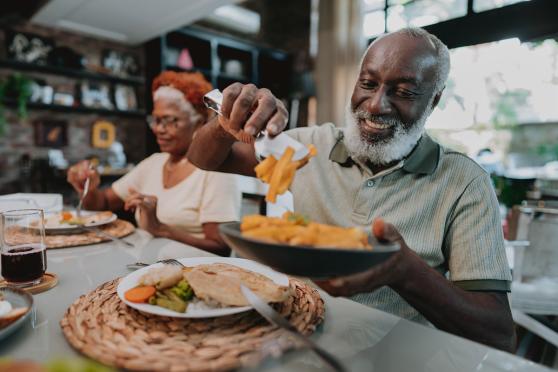
Be mindful of alcohol. If you drink alcohol, do it in moderation. Alcohol can have a negative impact on bone health. When you drink too much, it interferes with the balance of calcium in the body and has been linked to osteoporosis. It may also reduce levels of vitamin D.
The 2020-2025 Dietary Guidelines for Americans recommends limiting alcohol intake to two drinks or less a day for men and one drink or less a day for women. One drink equals:
- 12 ounces of beer
- 5 ounces of wine
- 1.5 ounces distilled spirits (such as gin, rum, vodka, whiskey)
Stop smoking cigarettes. Smoking reduces blood supply to your bones, according to the American Academy of Orthopaedic Surgeons. It also raises your risk of osteoporosis and broken bones. Fractures also take longer to heal in people who smoke.
See our sources:
Falls statistic: National Institute on Aging
Bone health and osteoporosis overview: National Institute of Arthritis and Musculoskeletal and Skin Diseases
Calcium overview: National Institutes of Health Office of Dietary Supplements
Vitamin D overview: National Institutes of Health Office of Dietary Supplements
Dietary guidelines for alcohol: Centers for Disease Control and Prevention
Smoking and bone health: American Academy of Orthopaedic Surgeons
Cited sources were last reviewed on 8/20/2025
Y0040_ GHHMQMVEN_C